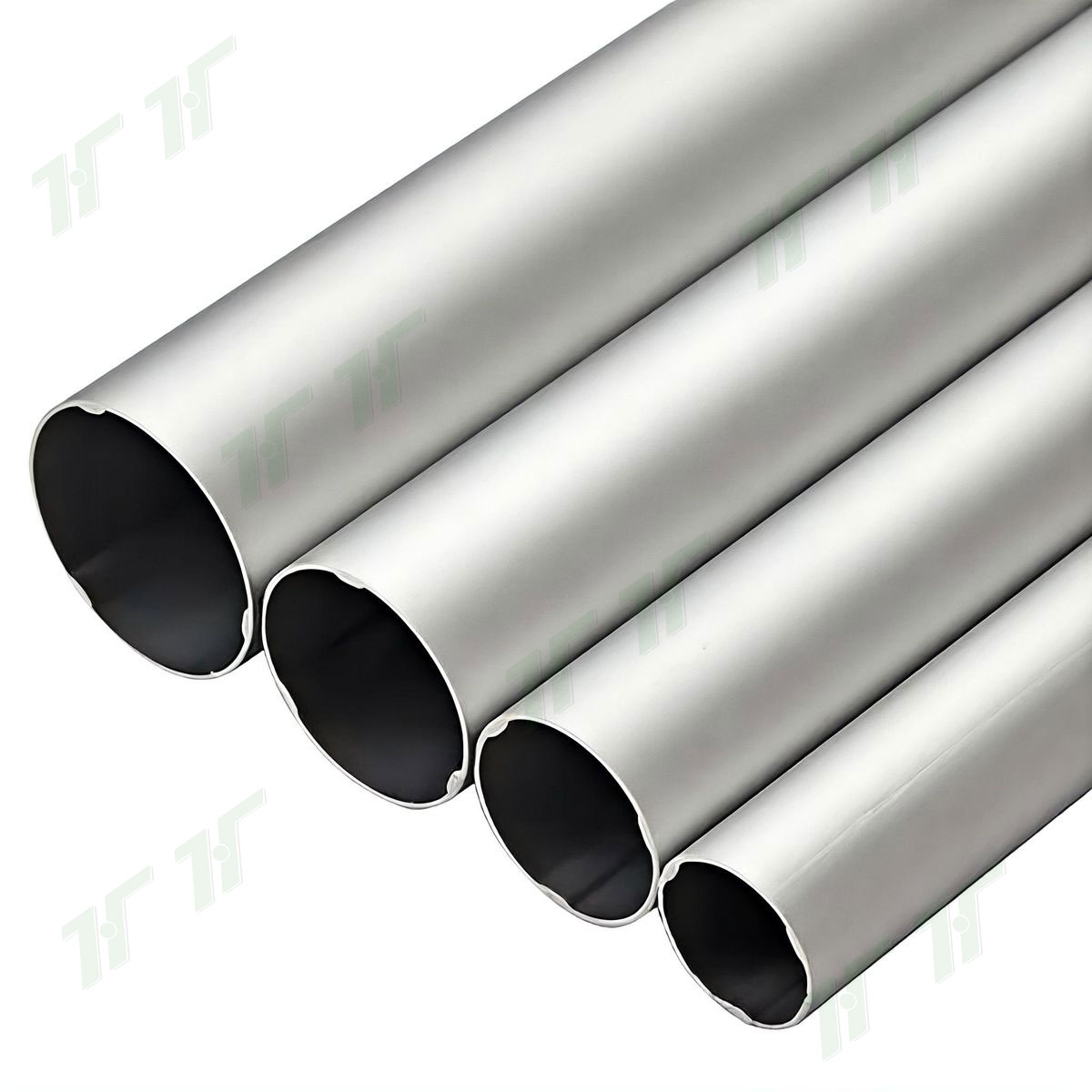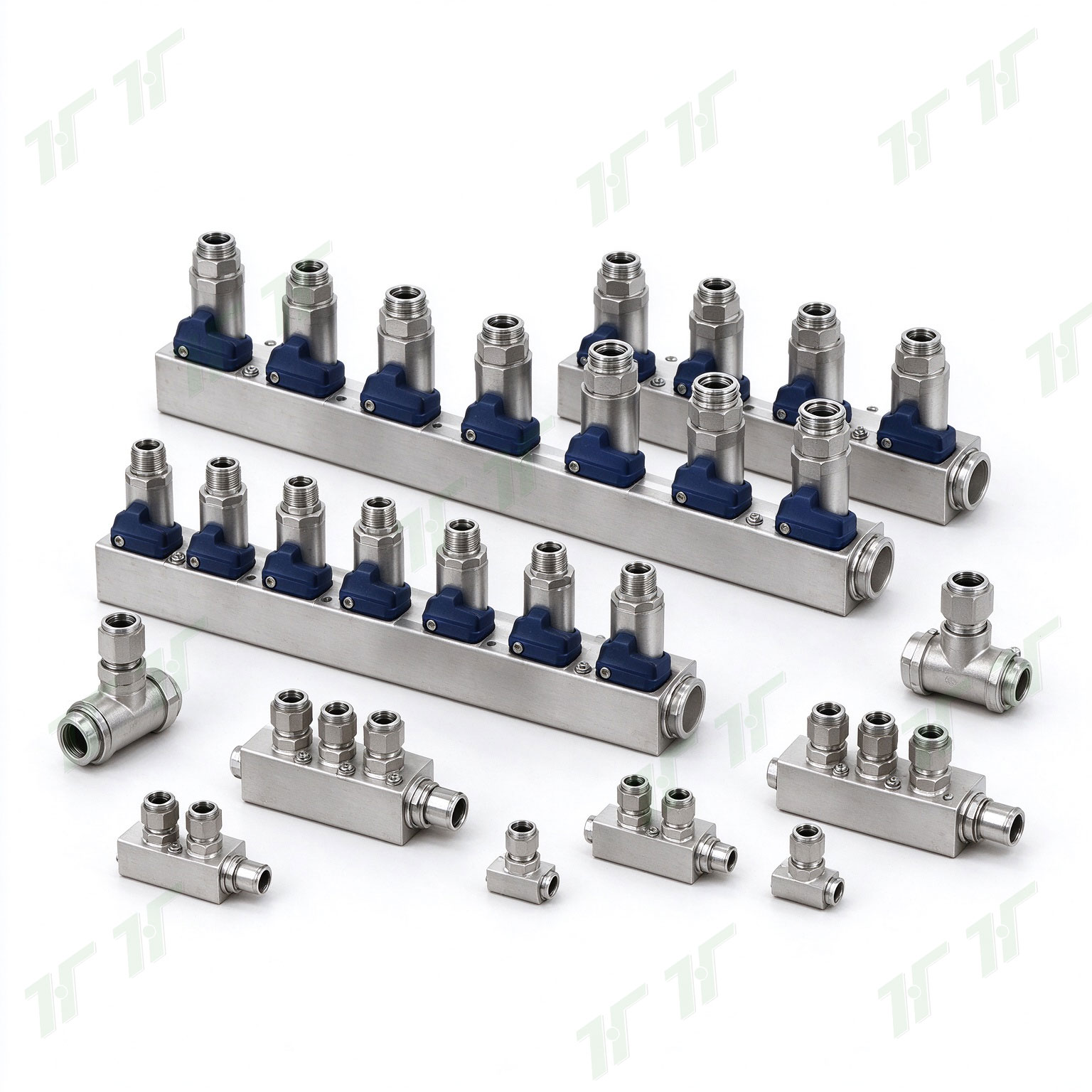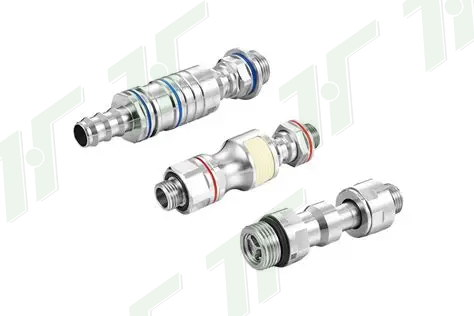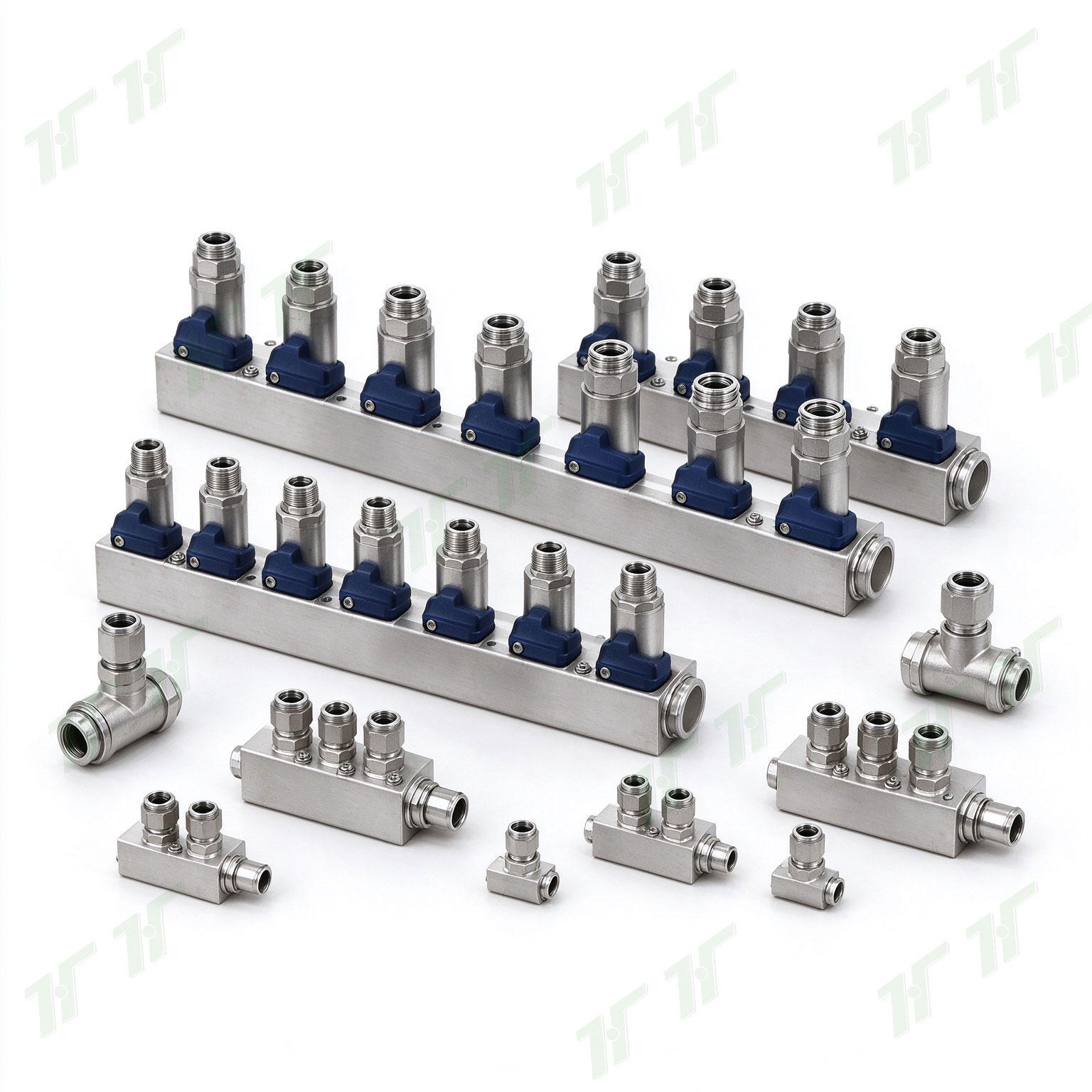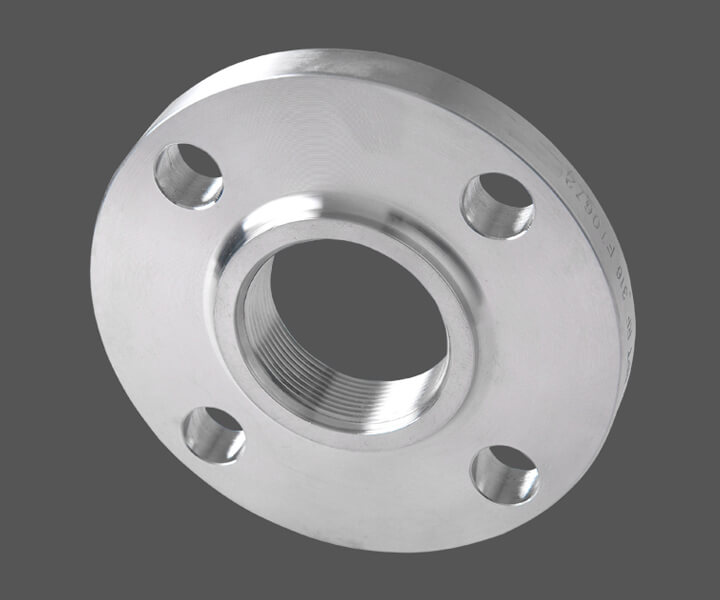
If you have reviewed specs for liquid cooling components, you have seen it again and again: SS316L stainless steel.
This is not random. Here is why.
SS304 vs. SS316L: The Critical Difference
| Property | SS304 | SS316L |
|---|---|---|
| Molybdenum | 0% | 2-3% |
| Chloride resistance | Moderate | High |
| Corrosion resistance | Good | Excellent |
| Cost | Lower | Higher |
The difference is molybdenum. SS316L contains 2-3% molybdenum. SS304 does not. This single element dramatically improves resistance to:
Chloride-induced pitting
Creep corrosion
Corrosion from degraded coolants
The "L" in SS316L stands for Low carbon (≤0.03%), reducing sensitization risk and providing an additional margin of safety.
Why SS316L Works for Liquid Cooling
1. Glycol-based coolants degrade over time
Coolant becomes acidic as corrosion inhibitors deplete. SS316L resists this attack better than SS304.
2. Dielectric fluids vary in chemistry
Some are aggressive toward metals. SS316L provides broad compatibility across synthetic hydrocarbons, silicone-based fluids, and fluorocarbons.
3. Tight tolerances demand stability
Components machined to ±0.02mm cannot afford corrosion or dimensional drift. SS316L maintains its dimensions over years of service.
4. Cleanability
SS316L can be electropolished to Ra ≤0.8μm and passivated to remove free iron, producing a clean, contaminant-resistant surface.
The Sulfur Control Requirement
For stainless steel bar stock used in liquid cooling components, sulfur is controlled below 0.03%.
Why? Higher sulfur improves machinability but creates inclusions that become corrosion initiation points in coolant-wetted applications.
Surface Treatment: Electropolishing + Passivation
After machining, SS316L components typically undergo both treatments:
| Treatment | Purpose |
|---|---|
| Electropolishing | Smooths surface, improves cleanability |
| Passivation | Removes free iron, forms protective oxide layer |
When to Use SS304 Instead
| Use SS304 | Use SS316L |
|---|---|
| Coolant is known to be non-aggressive | Coolant chemistry may shift over time |
| Cost is the priority | Long-term reliability is the priority |
| Component is not coolant-wetted | Component is coolant-wetted |
| Clean, controlled environment | Chlorides or humidity are present |
Final Thoughts
SS316L is the default because it works. It resists corrosion. It holds tight tolerances. It is compatible with a wide range of coolants.
If you are designing liquid cooling components, specifying SS316L is a proven, low-risk choice.
Need SS316L components machined to your drawing? Send us your specs for a quote.