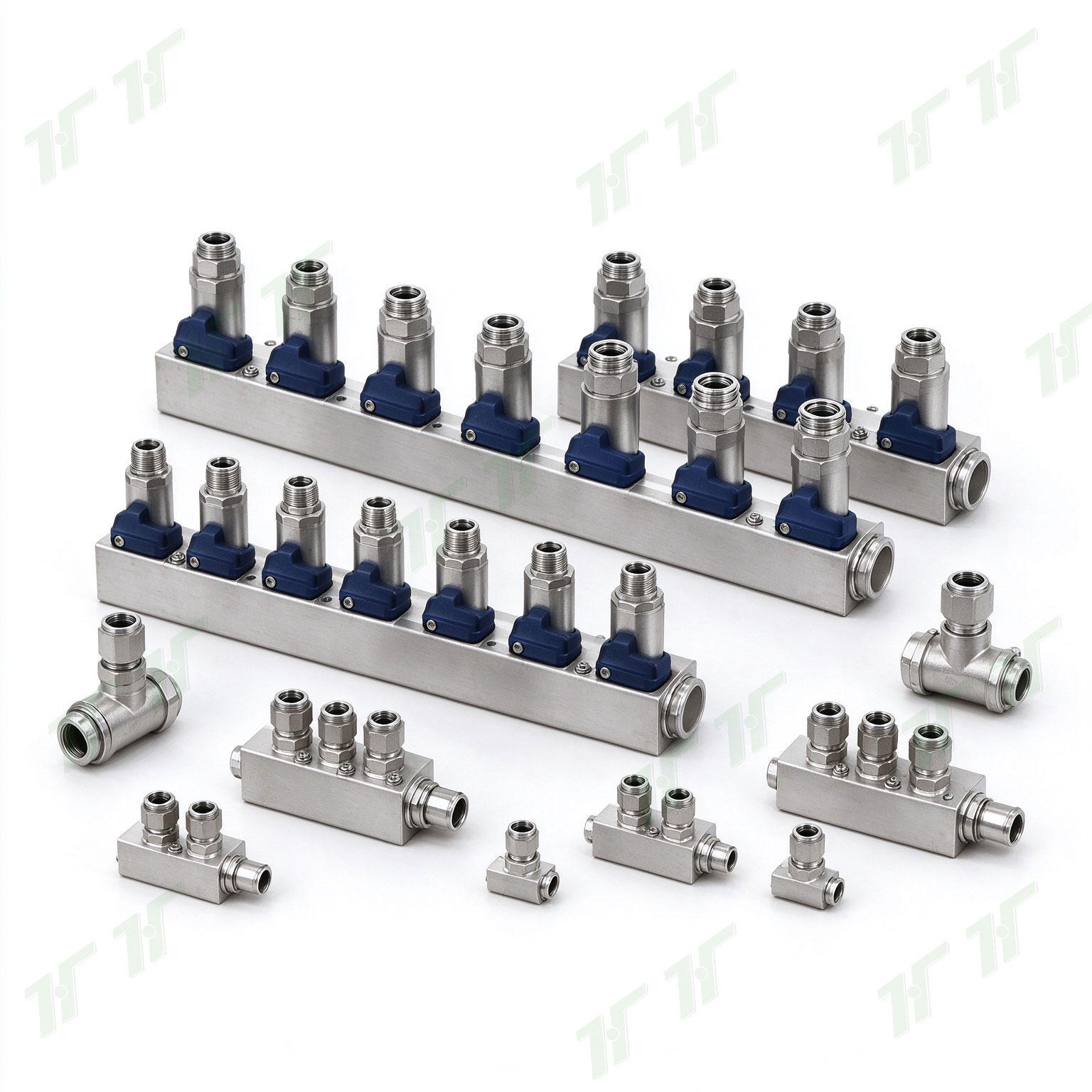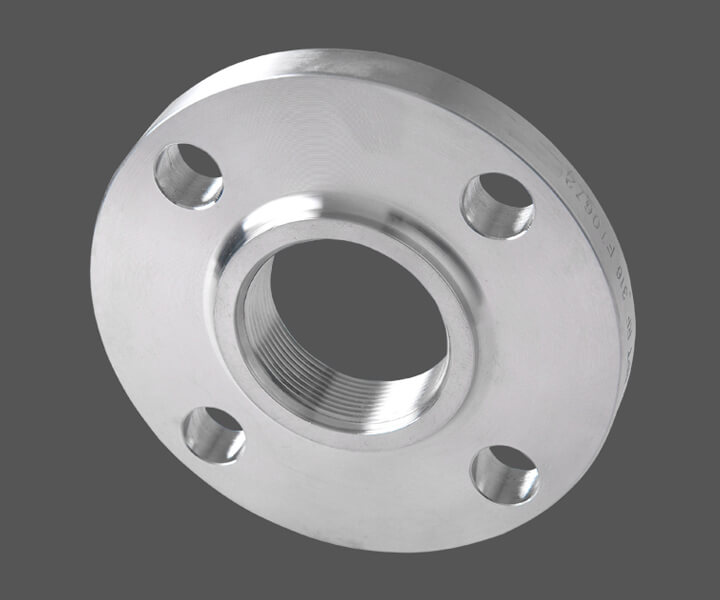
If you are sourcing custom-machined components for a liquid cooling system, your drawing is the most important document you will provide. It tells the supplier exactly what you need.
A well-prepared drawing reduces errors, speeds up quoting, and ensures you get parts that match your design.
Here is what to include.
1. Dimensions and Tolerances
Every critical dimension must be clearly defined.
For liquid cooling components, typical tolerances include:
| Feature | Typical Requirement |
|---|---|
| Critical mating surfaces | ±0.02mm |
| Threaded connections | Per thread standard (NPT, BSP, UNF) |
| General dimensions | ±0.03–0.07mm per drawing |
| Angles | ±0.5° unless specified |
Pro tip: Specify which dimensions are critical. Not all dimensions need tight tolerances. Marking critical features helps the supplier focus on what matters.
2. Material Specification
State the material grade clearly.
For liquid cooling components, the most common choices are:
SS304 – Good corrosion resistance, standard applications
SS316L – Excellent corrosion resistance, aggressive coolants, high reliability
Nickel-plated brass – Fittings and adapters
6061 Aluminum – Lightweight applications
Include: Material grade, bar stock diameter (if relevant), and any material certifications required.
3. Surface Finish
Surface finish affects sealing, flow, and corrosion resistance. Specify roughness values where they matter.
| Surface Type | Typical Requirement |
|---|---|
| Standard surfaces | Ra ≤1.6μm |
| Sealing bores / O-ring contact | Ra ≤0.8μm |
| Threaded surfaces | Per thread standard |
4. Surface Treatment
If the component will be exposed to coolant, specify surface treatment.
| Treatment | When to Specify |
|---|---|
| Passivation | Minimum corrosion protection, all stainless steel parts |
| Electropolishing | Sealing surfaces, maximum corrosion resistance, cleanability |
| Anodizing | Aluminum components |
5. Thread Specifications
For threaded components, specify:
Thread type (NPT, BSP, UNF, or metric)
Thread size and pitch
Thread class (e.g., 2A, 2B)
Any sealing requirements (e.g., taper threads)
6. Cleanliness and Deburring
Coolant-wetted parts must be clean. Specify:
Deburring requirements
Precision cleaning
Freedom from oil, water stains, and scratches
7. Marking and Identification
If parts need identification, specify:
Laser marking
Part number or logo
Marking location
8. Quality and Inspection Requirements
Define what inspection documentation you need.
| Requirement | What It Means |
|---|---|
| FAI (First Article Inspection) | Full inspection of first piece from each production run |
| CPK ≥1.33 | Statistical process control on critical dimensions |
| Material certifications | Mill test reports for bar stock |
| OQC report | Outgoing quality control inspection report |
9. Packaging Requirements
Specify how parts should be packaged to prevent damage.
Tray packaging is standard for precision components
Anti-static or moisture protection may be required
10. Quantity and Lead Time
Order quantity
Required delivery date
Any phasing requirements
Drawing Checklist
Before sending your drawing to a supplier, check:
Material grade
Critical tolerances
Surface finish values
Surface treatment
Thread standards
Deburring and cleaning requirements
Inspection requirements
Packaging requirements
Quantity and delivery date
Final Thought
A clear, complete drawing saves time. It reduces back-and-forth questions. It helps the supplier quote accurately and deliver parts that meet your expectations.
If your drawing includes the nine items above, you are ready to send it out for quotes.
Ready to get started? Send your drawing to us for a quick quote.