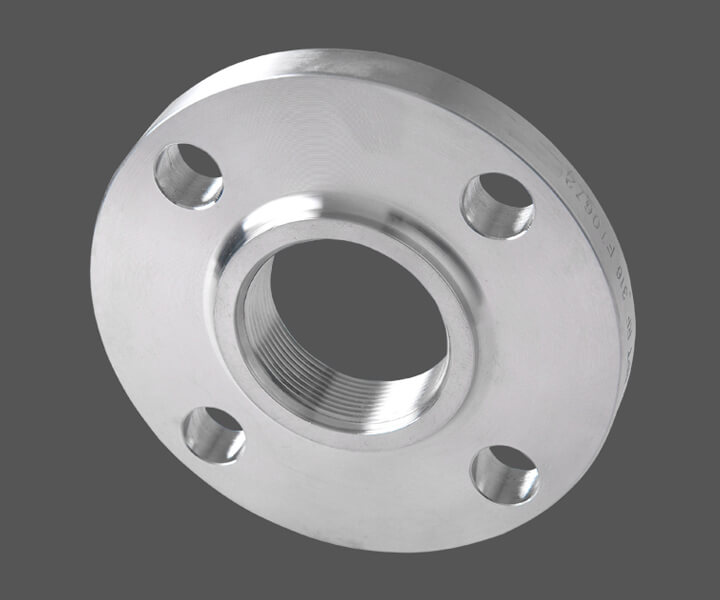
If you are sourcing stainless steel components for liquid cooling systems, you have likely seen both of these on drawings: Electropolishing and Passivation.
They are often listed together. They both improve corrosion resistance. But they are not the same.
Passivation: Restoring the Protective Layer
Passivation is a chemical process that removes free iron from the surface of stainless steel and promotes the formation of a protective chromium oxide layer.
How it works: A mild acid bath (nitric or citric acid) removes embedded iron particles and allows the natural oxide layer to reform.
| Property | Detail |
|---|---|
| Process | Chemical (acid bath) |
| Material removal | Minimal |
| Surface finish | No significant change |
| Appearance | No visible change |
| Standard | ASTM A967 |
When to use: Standard requirement for all stainless steel coolant-wetted parts. Minimum level of corrosion protection.
Electropolishing: Smoothing and Enhancing
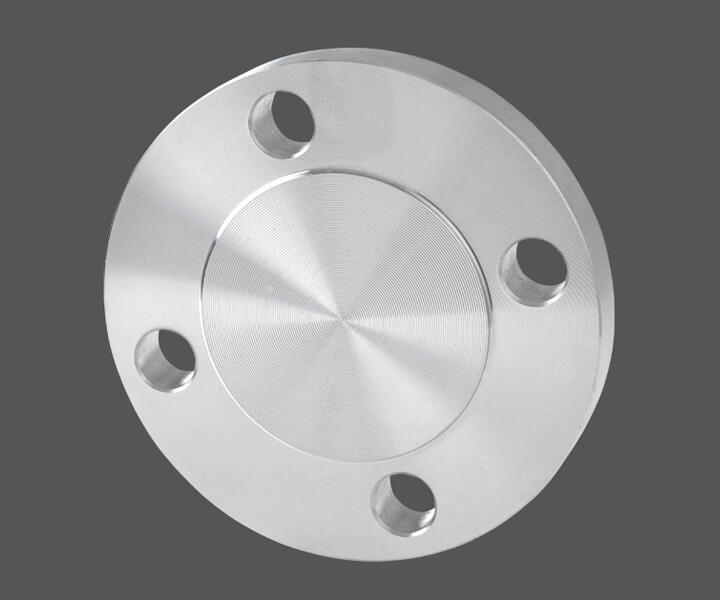
Electropolishing is an electrochemical process that removes a microscopic layer of material, smoothing the surface and improving corrosion resistance beyond passivation alone.
How it works: The part is immersed in an electrolyte bath with an electric current. Material is removed from surface peaks, creating a smoother, more uniform finish.
| Property | Detail |
|---|---|
| Process | Electrochemical |
| Material removal | 0.02–0.05mm |
| Surface finish | Improves (to Ra ≤0.8μm) |
| Appearance | Bright, reflective |
| Standard | ASTM B912 |
When to use: Sealing bores, O-ring contact surfaces, aggressive coolants, maximum corrosion resistance, high cleanability.
Quick Comparison
| Aspect | Passivation | Electropolishing |
|---|---|---|
| Process | Chemical | Electrochemical |
| Removes material | No | Yes |
| Improves surface finish | No | Yes |
| Corrosion resistance | Restores baseline | Improves beyond baseline |
| Appearance | No change | Bright, reflective |
| Cost | Lower | Higher |
Which One to Specify?
| Use Passivation Alone | Use Electropolishing |
|---|---|
| Standard surface finish (Ra ≤1.6μm) | Sealing bores or O-ring surfaces |
| Non-aggressive coolant | Aggressive coolant or dielectric fluids |
| Cost is a factor | Maximum corrosion resistance required |
| Not a sealing surface | Surface finish must be Ra ≤0.8μm |
Industry Practice for Liquid Cooling Components
| Component | Recommended Treatment |
|---|---|
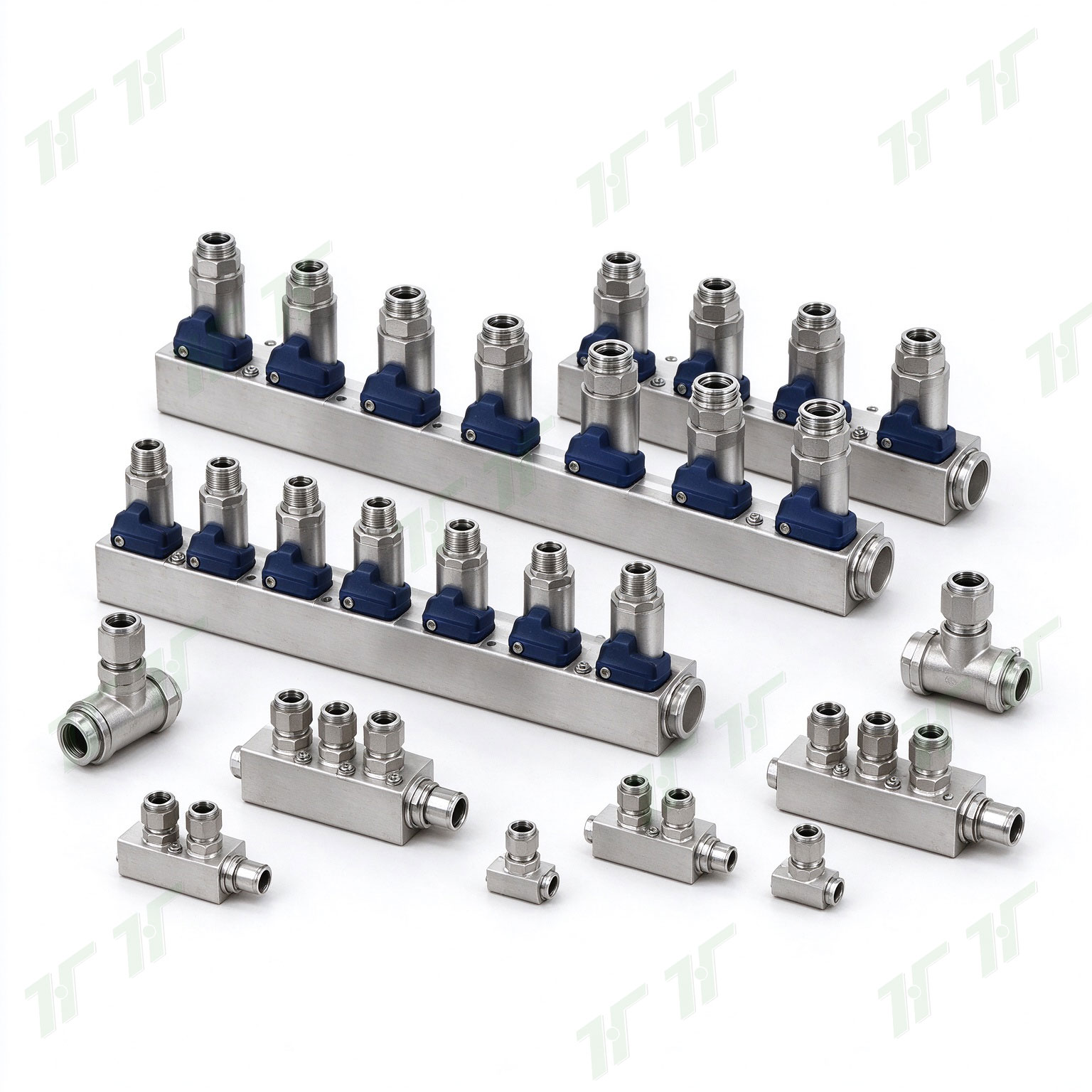
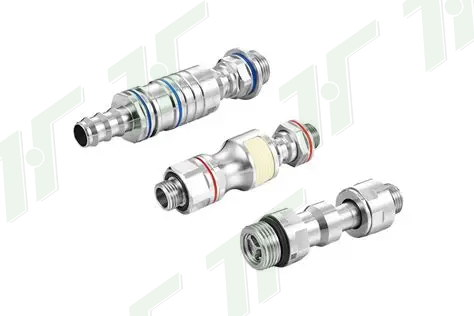
| Quick disconnect bodies | Electropolishing + Passivation |
| Manifold internal flow paths | Electropolishing |
| Standard threaded fittings | Passivation |
| Sealing bores | Electropolishing (Ra ≤0.8μm) |
| Filter housings | Passivation |
Many drawings specify both—electropolishing followed by passivation—for the best possible surface and corrosion resistance.
Verification: Parts must pass 96-hour salt spray testing with no corrosion, and be free of burrs, scratches, oil, and water stains.
Final Thought
Passivation is the baseline. Electropolishing is the upgrade. For sealing surfaces and critical bores, electropolishing is often the better choice. When your drawing specifies both—specify both.
Need electropolished or passivated stainless steel components? Send us your drawing for a quote.