Cold plate cooling is the most common liquid cooling architecture in AI servers today. In this approach, a cold plate is mounted directly on heat-generating components—typically CPUs and GPUs—and coolant flows through internal channels to remove heat.
The coolant is then transported to a CDU (Coolant Distribution Unit) for heat exchange, and recirculated.
Precision Components Used in Cold Plate Cooling
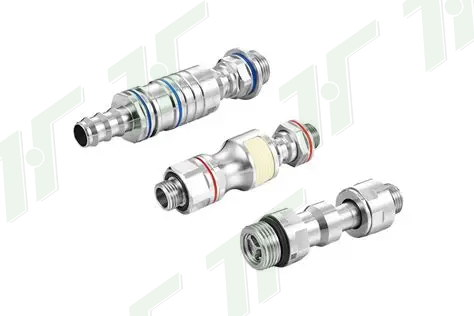
1. Quick Disconnect Components (UQD Parts)
Quick disconnects are used at rack and server connection points, allowing individual servers to be disconnected from the coolant loop without draining the entire system.
Material: SS304 / SS316L stainless steel
Critical specs: ±0.02mm tolerance, Ra ≤1.6μm surface finish
Key requirement: Dimensional consistency to ensure proper O-ring compression
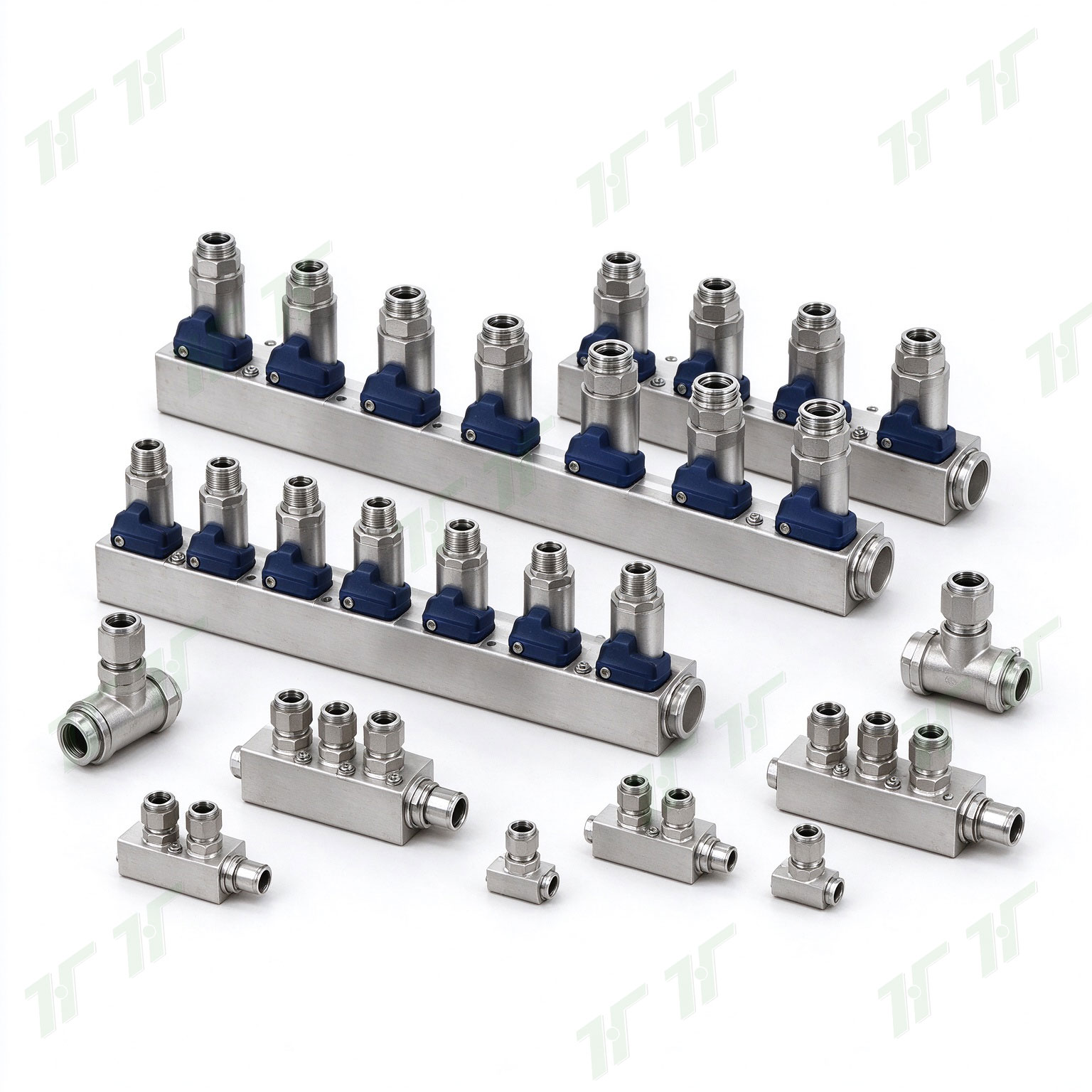
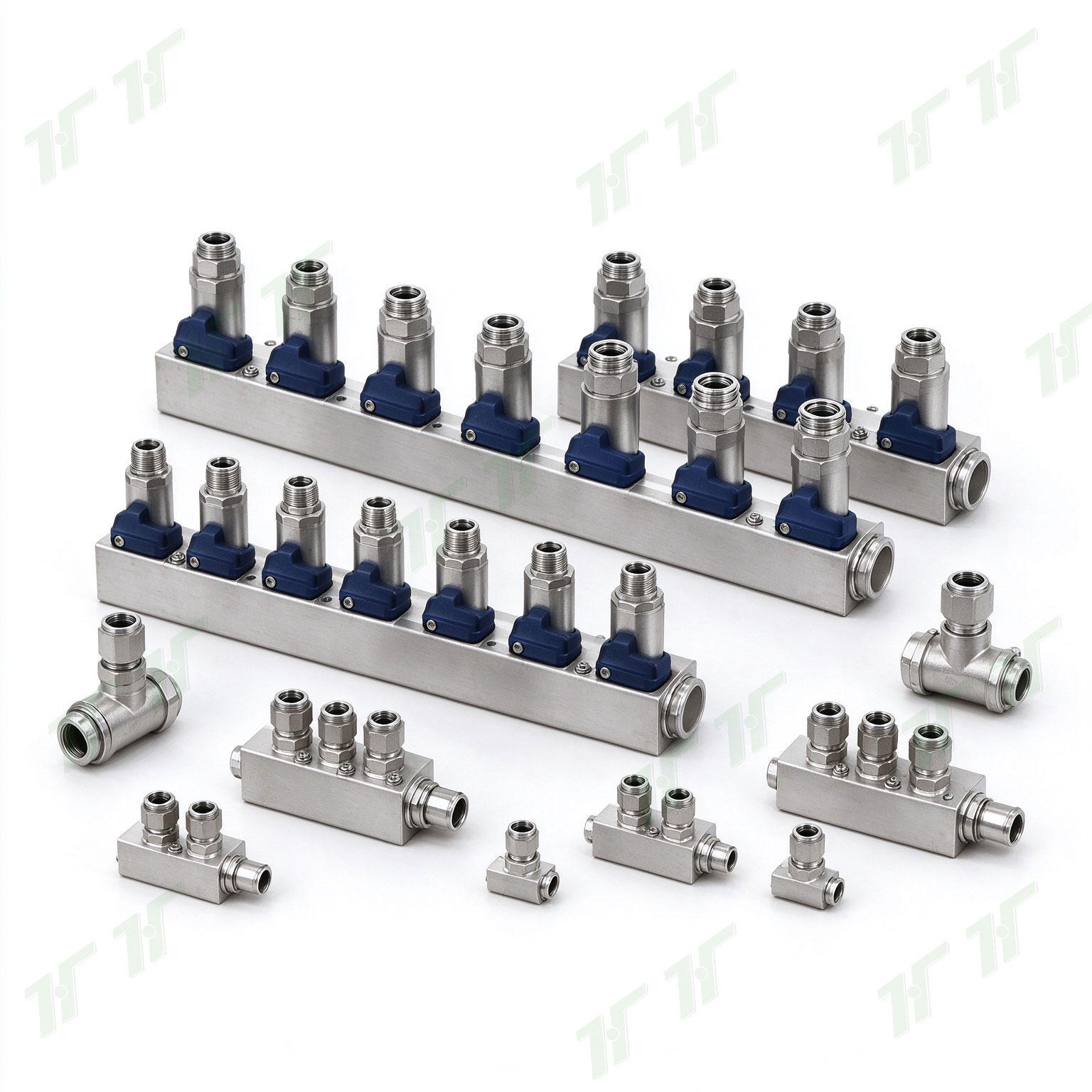
2. Manifold Assembly Components
Manifolds distribute coolant from the CDU to individual servers in a rack. They require multiple ports, threaded connections, and precise internal flow paths.
Material: SS316L stainless steel or 6061 aluminum
Critical specs: Thread accuracy (NPT, BSP, UNF), internal surface finish
Key requirement: Leak-free threaded connections and consistent flow distribution
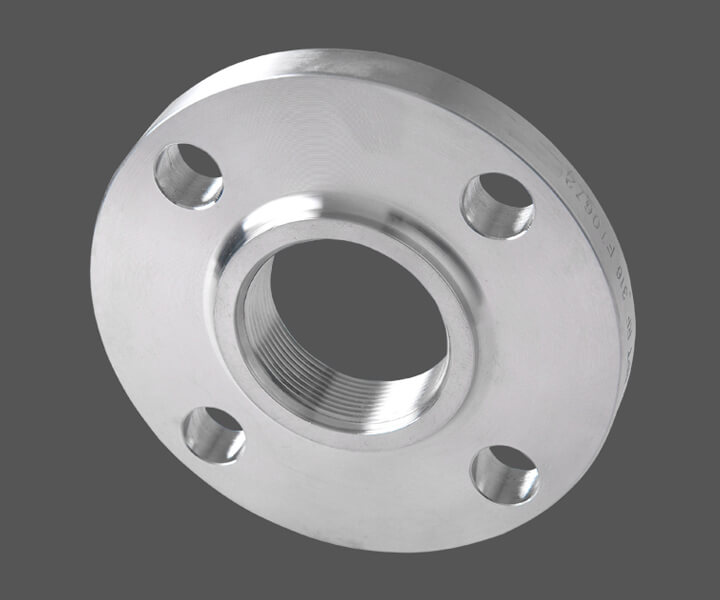
3. Threaded Fittings (NPT, BSP, UNF)
Fittings connect tubing, hoses, and components throughout the cooling loop. Thread forms must match industry standards to ensure compatibility.
Material: SS316L stainless steel
Critical specs: Thread tolerance, surface finish
Key requirement: Consistent thread geometry for reliable connections
4. Adapters and Reducing Fittings
Adapters are used to transition between different thread types, sizes, or connection methods.
Material: SS304 / SS316L / nickel-plated brass
Critical specs: Dimensional accuracy across multiple thread standards
Key requirement: Proper alignment and sealing surface finish
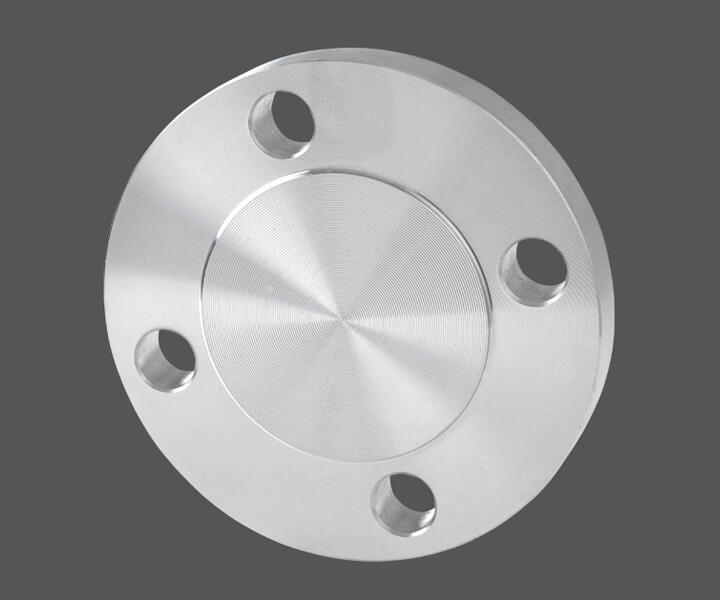
5. Filter Housings and End Caps
Filters protect pumps and cold plates from debris. Housings must seal properly and allow easy filter replacement.
Material: SS304 stainless steel
Critical specs: Sealing surface finish, thread accuracy
Key requirement: Consistent seal surface quality
Immersion Cooling: Components and Requirements
Immersion cooling takes a different approach. Instead of routing coolant through cold plates, entire server components are submerged in a bath of dielectric fluid—a non-conductive liquid that transfers heat directly from components to the fluid.
This approach eliminates the need for cold plates and complex internal routing within the server, but introduces different component requirements.
Precision Components Used in Immersion Cooling
1. Threaded Fittings for Fluid Circulation
Dielectric fluid is circulated through a heat exchanger to remove heat. Fittings connect pumps, heat exchangers, and filtration systems.
Material: SS316L stainless steel (for corrosion resistance in dielectric fluids)
Critical specs: Thread accuracy, surface finish
Key requirement: Consistent thread geometry and clean surfaces to prevent fluid contamination
2. Adapters and Reducing Fittings
Different system components often use different connection types. Adapters transition between standards.
Material: SS304 / SS316L / brass
Critical specs: Dimensional accuracy
Key requirement: Compatibility across multiple thread standards
3. Pressure Sensor Fittings
Pressure sensors monitor fluid pressure in the immersion tank and circulation loop. Fittings connect sensors to the fluid path.
Material: Nickel-plated brass
Critical specs: Thread accuracy, sealing surface
Key requirement: Reliable sensor mounting and seal integrity
4. Level Gauge Interface Parts
Level gauges monitor dielectric fluid levels in the immersion tank. Interface parts connect gauges to the tank wall.
Material: SS304 stainless steel
Critical specs: Sealing surface finish, thread accuracy
Key requirement: Consistent sealing across the tank penetration
5. Hose End Fittings
Flexible hoses connect pumps, heat exchangers, and tanks. Hose end fittings provide secure, leak-free connections.
Material: SS316L stainless steel
Critical specs: Thread accuracy, surface finish
Key requirement: Secure hose retention and leak-free connections
Comparison: Component Requirements by Architecture
| Component | Cold Plate Cooling | Immersion Cooling |
|---|---|---|
| Quick Disconnect Components | High usage | Limited usage |
| Manifold Assembly Components | High usage | Moderate usage |
| Threaded Fittings | High usage (NPT/BSP/UNF) | High usage (UNF/SI) |
| Adapters & Reducers | Moderate usage | Moderate usage |
| Filter Housings | Used | Used |
| Pressure Sensor Fittings | Used | Used |
| Level Gauge Interface Parts | Not typically used | Used |
| Hose End Fittings | Moderate usage | Moderate usage |
| Valve Body Components | Used | Used |
What Both Architectures Have in Common
Despite their differences, both cold plate and immersion cooling share common requirements for precision-machined components:
1. Consistent Dimensional Accuracy
Both architectures rely on components that fit together precisely. Whether it is a threaded fitting or a quick disconnect body, parts must meet specified tolerances.
Spec: ±0.02mm per drawing
CPK: ≥1.33 on critical dimensions
2. Surface Finish Control
Any component exposed to coolant or dielectric fluid benefits from a controlled surface finish. Smoother surfaces reduce wear on seals and improve cleanability.
Spec: Ra ≤1.6μm (Ra ≤0.8μm on sealing bores)
3. Material Integrity
Both cooling approaches require materials that resist corrosion and maintain their properties over time.
SS304 and SS316L stainless steel are the default choices
Sulfur content: <0.03%
96-hour salt spray test: no corrosion
4. Surface Treatment
Exposed surfaces should be treated to improve corrosion resistance and longevity.
Electropolishing for smooth, clean surfaces
Passivation for corrosion resistance
5. Cleanliness
Debris in a cooling loop—whether water-glycol or dielectric fluid—can cause problems. Components must be clean and free of contaminants.
Deburred, cleaned, and inspected
Free of burrs, scratches, oil, and water stains
Which Components Should You Source?
If you are building a liquid cooling system—whether cold plate or immersion—you will likely need a range of precision-machined components:
For cold plate cooling – prioritize Quick Disconnect Components, manifold assembly parts, threaded fittings, and adapters
For immersion cooling – prioritize threaded fittings, adapters, pressure sensor fittings, level gauge interface parts, and hose end fittings
Final Thoughts
Cold plate and immersion cooling are two different approaches to solving the same problem: removing heat from high-density compute environments. Each requires a different set of components and places different demands on precision machining suppliers.
Understanding which components you need—and what specifications they must meet—is the first step to sourcing them successfully.
Need precision-machined components for your cold plate or immersion cooling system? Send us your drawings—we will quote tolerances, materials, and lead time.