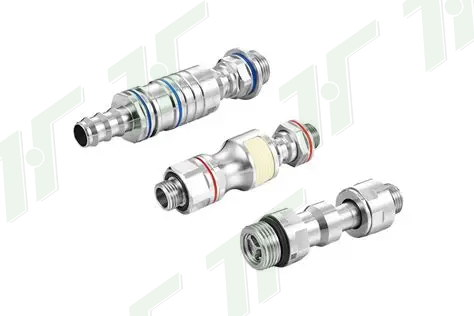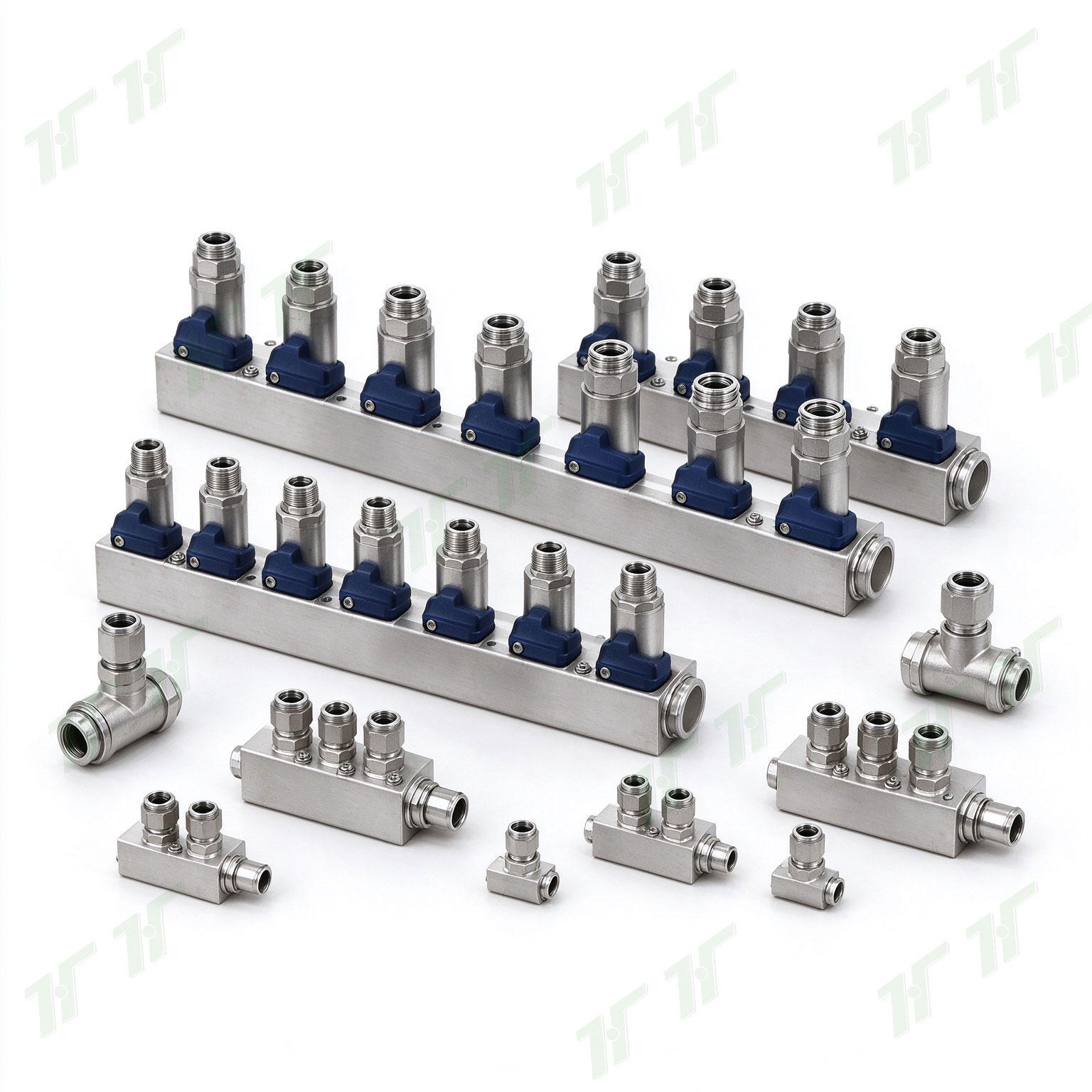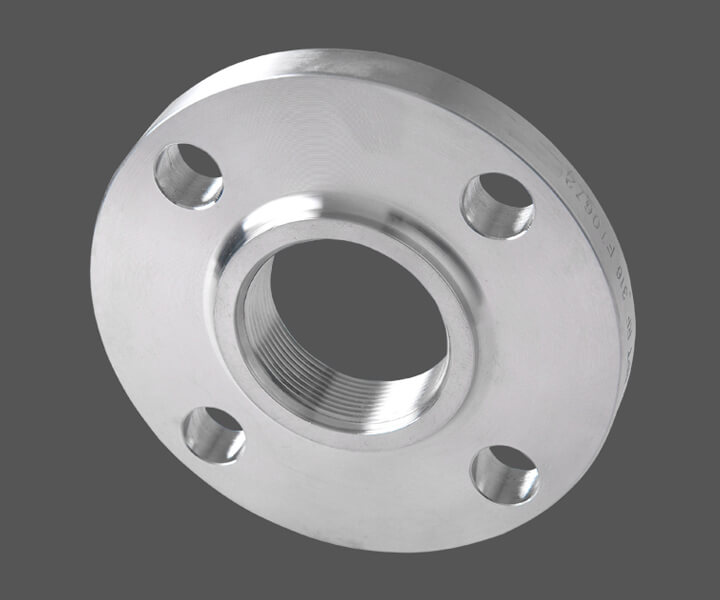
If you have looked inside a modern AI server rack, you have likely noticed the small coupling points where coolant lines connect and disconnect. Those are quick disconnects.
But what is a UQD? And more importantly, what goes into making one?
This article explains what a UQD is, the components that make up a quick disconnect assembly, and what to look for when sourcing precision-machined parts for these critical cooling system components.
What Does UQD Stand For?
UQD stands for Universal Quick Disconnect. It is a standardized interface used in liquid cooling systems for data center servers. The UQD specification was developed under the OCP (Open Compute Project) to ensure interoperability between different cooling system components from different manufacturers.
A UQD allows a coolant line to be connected and disconnected quickly without draining the entire cooling loop. This is essential in data centers where servers need to be serviced or replaced without shutting down the cooling system or disturbing adjacent racks.
What Parts Make Up a Quick Disconnect?
A quick disconnect is not a single part—it is an assembly. In a typical liquid cooling quick disconnect, you will find:
Plug body (male end) – connects to the server-side coolant line
Socket body (female end) – mounts on the rack manifold or CDU side
Internal springs – provide the force to open and close valves
O-rings and seals – prevent coolant from leaking at the connection point
Valve mechanisms – open when connected to allow flow, close when disconnected to prevent spillage
When the plug inserts into the socket, the internal valves open to allow coolant flow. When disconnected, the valves close to prevent spillage—enabling hot-swap of servers without draining the loop.
Why Material Selection Matters for Quick Disconnect Components
Quick disconnect bodies are continuously exposed to coolant. Over time, corrosion, dimensional wear, or surface defects can affect how reliably the assembly functions.
That is why most quick disconnect bodies are machined from stainless steel—typically SS304 or SS316L.
| Material | Key Properties | Typical Application |
|---|---|---|
| SS304 | Good corrosion resistance, excellent machinability | Standard quick disconnect bodies, general coolant service |
| SS316L | Superior corrosion resistance, better resistance to chlorides and acidic coolants | High-reliability applications, aggressive coolant formulations |
For stainless steel components exposed to coolant, material control is critical. Quality suppliers control sulfur content below 0.03% to ensure machinability and material integrity—particularly important for components that must maintain dimensional stability over years of service.
Key Machining Requirements for Quick Disconnect Components
Quick disconnect components are precision parts. Here are the critical specifications that determine whether a component will perform reliably in a cooling loop:
Dimensional Tolerance
Critical mating surfaces often require tolerances down to ±0.02mm. This ensures that plug and socket bodies align correctly and that O-ring grooves maintain their designed compression.
Surface Finish
Sealing bore areas typically spec Ra ≤1.6μm—or Ra ≤0.8μm for high-reliability designs. A smoother surface reduces wear on O-rings and provides a better sealing surface.
Surface Treatment
Stainless steel quick disconnect components typically undergo one or both of the following:
Electropolishing – removes a microscopic layer of surface material, smoothing the surface and improving corrosion resistance
Passivation – removes free iron from the surface and promotes the formation of a protective chromium oxide layer
Both treatments improve the corrosion resistance and cleanability of coolant-wetted surfaces.
Cleanliness
After machining, components must be free of burrs, scratches, oil and water stains. Any debris left on a component can migrate into the cooling loop and potentially affect pumps, cold plates, or flow paths. A proper deburring and precision cleaning process is essential.
Process Capability
A reliable supplier should demonstrate CPK ≥1.33 on critical dimensions. This indicates that the manufacturing process is statistically stable and capable of producing consistent parts over time.
UQD vs. Quick Disconnect Components: A Critical Distinction
If you are sourcing quick disconnects, it is important to understand the supply chain:
Finished quick disconnect assemblies – complete Products with validated leak rates, insertion cycle ratings, and certifications. These are typically supplied by brands such as Danfoss, Staubli, Parker, or CPC.
Precision-machined quick disconnect components – the plug bodies, socket bodies, and mating parts that go into those assemblies. These are supplied by specialized CNC machining shops that work to customer drawings.
If your team designs custom cooling systems or manufactures your own quick disconnects, you likely need the second category—precision-machined components produced to your specific drawings.
What to Look for in a Quick Disconnect Component Supplier
When evaluating a CNC machining partner for quick disconnect parts, ask these questions:
| Criteria | What to Ask |
|---|---|
| Dimensional consistency | "What is your CPK on critical dimensions?" (≥1.33 is the industry standard) |
| Material traceability | "Do you provide mill test reports for SS304/316L bar stock?" |
| Surface finish capability | "Can you hold Ra ≤1.6μm on sealing bores?" |
| Surface treatment | "Do you offer electropolishing and passivation?" |
| Cleanliness | "What is your deburring and cleaning process?" |
| Capacity | "Can you scale from prototyping to 100,000+ pieces per month?" |
Applications Where UQD Components Are Used
Precision-machined quick disconnect components are found in:
Cold plate liquid cooling loops for AI servers
Rack-level quick disconnect panels
CDU (Coolant Distribution Unit) inlet and outlet interfaces
Direct-to-chip cooling systems for high-power GPUs
Secondary-side coolant distribution networks
As AI server power densities continue to rise, the demand for reliable, high-quality quick disconnect components will only increase.
Final Thoughts
UQD quick disconnects are essential for serviceable liquid cooling in AI data centers. The plug bodies, socket bodies, and mating components that go into them require consistent precision—tight tolerances, controlled surface finish, proper material selection, and proven process capability.
If your team designs custom quick disconnects or integrates them into cooling systems, finding a machining supplier that understands these requirements is a critical part of the supply chain.
Have a quick disconnect component you need machined to your drawing? Send us your print—we will quote tolerance, lead time, and volume.